In recent years, the keto diet — a diet that promotes using fat as energy instead of carbs and stored glycogen — has become a hot trend in wellness, and many people have turned to ketogenic diets to help them lose weight and lead healthier lives. By eliminating carbs, a keto diet forces your body to instead turn to your fat stores, burning them to create energy under lipolysis, or fat breakdown. This forces the body to utilize fat as the main fuel source, reserving ketones and glucose for the brain instead.
For those that have tried a keto diet, dramatic changes in health and well-being are possible, in addition to significant weight loss. It works because a keto diet promotes a feeling of fullness due to the high consumption of fats and proteins, and the body settles into burning fat instead of stored energy. All those good calories also give tons of energy, which is great during a long day at the office or if you’re out with family or friends — and the fat burned due to the absence of electrolytes is the icing on the cake.
But all that is not without a trade-off — keto diets can alter the electrolyte balance in the body, depleting energy stores and making it more difficult to make it through that next strenuous workout. Some studies have shown that a keto diet can actually rob you of the energy that you’ll need to perform at a high level, which has led some athletes to rethink their keto diets due to the lack of a fast-acting energy source.
When it comes to electrolytes and the keto diet, many athletes have rightly sought to top off their valuable electrolytes before it becomes a problem, either by consuming an electrolyte drink or supplement, replenishing the electrolyte stores in the body. Not only are electrolytes important for our survival, but they’re an essential component in cellular and organ function, and they’re crucial to help maintain hydration in the body, as well as maintaining nerve and muscle function.
In order to optimize the body’s function, electrolytes must be kept within normal, healthy ranges. But on a keto diet, electrolytes can easily be thrown out of whack. Part of it is because the body starts processing electrolytes differently when you are on a keto diet, with less insulin created and more sodium being excreted by the kidneys. And once that sodium slips, the balance of electrolytes in the body is disrupted.
The reason that electrolytes are affected on a keto diet is because the lower carb intake leads to more water excretion and an eventual upsetting of the delicate electrolyte balance in the body. It’s also known as the keto flu, which is a sort of low-energy affliction resulting from low values of sodium, potassium and magnesium in the body, and without extra carbs or electrolytes, there’s no way to bring the balances back into a normal range.
Ranging from simple fatigue to significant problems during physical exertion, as well as arrhythmia and diarrhea, the keto flu is not to be taken lightly. Not only can it make it difficult to get through the day, but if you have any physical activity lined up, you may find it hard to get through even the simplest of workouts. Furthermore, because the kidneys may excrete additional electrolytes due to the imbalance, your electrolyte levels could fall more out of balance with each passing day.
As the most important electrolyte, sodium is often the first electrolyte imbalance that people will notice. It’s even more important for athletes, which will be asking considerably more of their bodies than most people do.
Water may replenish your thirst, but it won’t do anything about that loss of electrolytes, including the sodium that regulates blood volume and pressure, nerve function, water retention and nerve impulses. If you’ve experienced weakness, fatigue, headaches, nausea, vomiting, cramps, irritability or brain fog on the keto diet, you may need to replenish those electrolytes.
The problem is that the CDC recommends the average person to consume 2,300 mg of sodium a day to optimize bodily function — but keto diets are notoriously low in sodium, so what is a keto dieter to do?
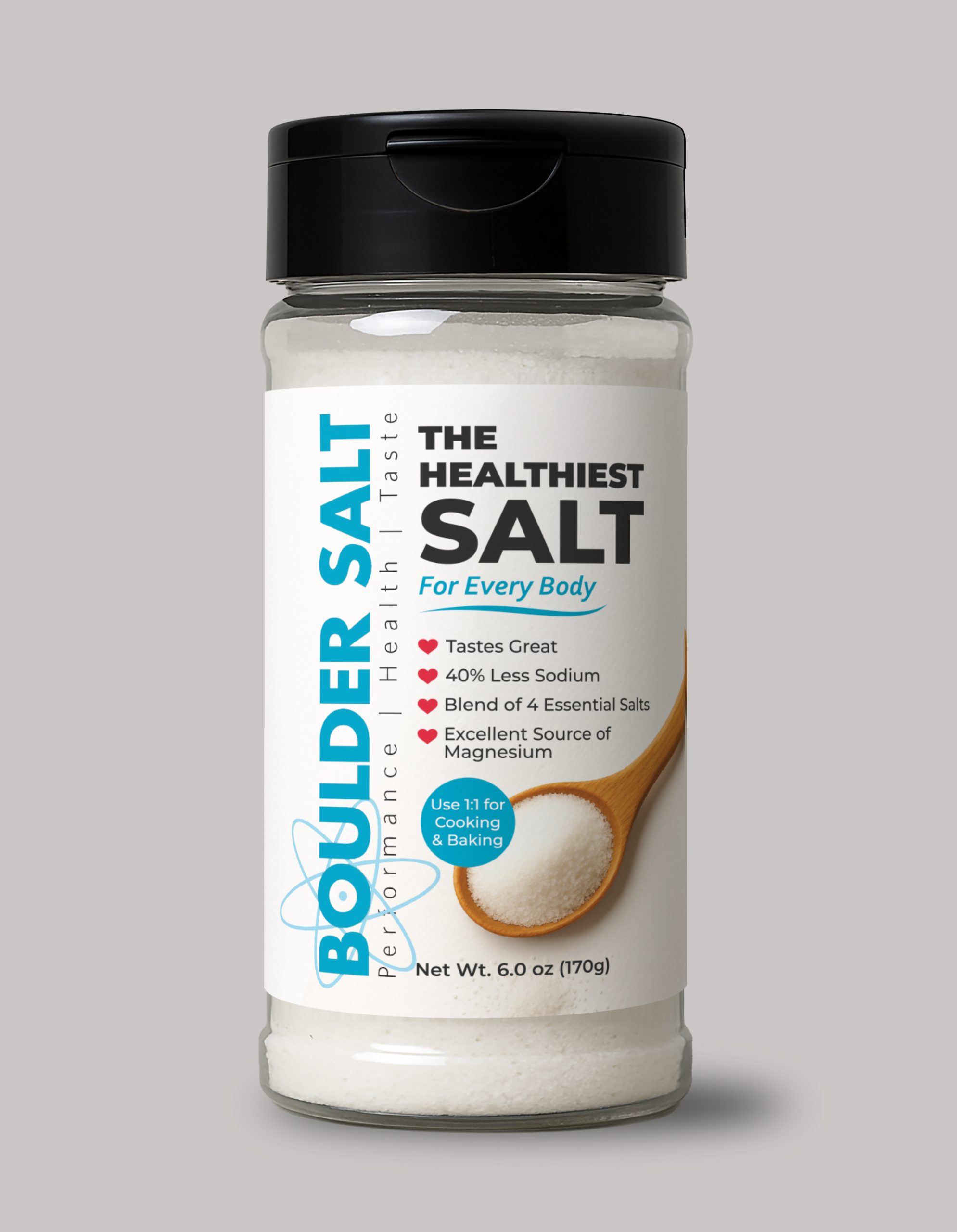
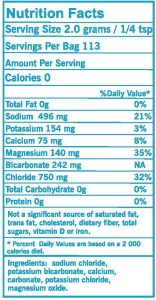
Since keto diets are by their very nature low in sodium, many keto proponents actually nourish with salt supplements. It’s an easy way to prevent excessive sodium loss, and it only takes a second to get the salt that the body needs. The other tremendous benefit of using boulder salt with keto diets is the fact that unlike other electrolyte blends and regular table salt, Boulder Salt is very alkaline. This is helpful given that the keto diets are acid producing. In just two grams of Boulder Salt, you’ll get almost 500 mg of sodium, 150 mg of potassium, 140 mg of magnesium, 75 mg of calcium, 242 mg of bicarbonate and 750 mg of chloride. It’s all that your body needs to get the most out of your desired activity level, and it also tastes great for both food and water!

Additional content placeholder

Most performance related salt products on the market are close to 100% sodium. Our bodies need a variety of electrolytes to perform at optimal levels – not just sodium. Boulder Salt provides a robust, alkaline blend of electrolytes, including sodium, potassium, magnesium and calcium. And in a combination that approximates what should naturally exist in the body. This ratio can help athletes optimize their performance.
It varies depending on your activity level and sweat rate. In general 4 servings is common for everyday use, up to 6 servings for endurance athletes.
If you are under the care of a physician for a medical condition, consult your doctor first.
Boulder Salt is unique in that it can be taken alone, added to water, or mixed with other beverages to up their electrolyte value. It also gives you the option to make your own sports drink – adding flavors and/or sweeteners that work for you.
Yes. If you’re looking to enhance your electrolyte levels, Boulder Salt® is an ideal way to do so! It can be added to both water and sports drinks. You will likely be surprised at how mellow it tastes in water alone. And it will not significantly alter the taste of most beverages. However, Boulder Salt is alkaline, so if you add it to an acidic sports drink (which many are), you can expect to see the drink temporarily “bubble” or foam-up.
Athletes have used Boulder Salt® during all phases of a competitive event – whenever they are accustomed to drinking water or another sports drink. It’s balanced level of electrolytes make it an ideal addition to your electrolyte replacement regime. It can help you shore up electrolytes, hydrate quickly and help prevent or eliminate cramping.
If you are undergoing treatment for a medical condition, consult your physician.
Boulder Salt® is a soft, mellow-tasting salt. The varying size and shapes of different salts provide a unique taste experience. The tiny calcium and magnesium salts, which are very mild tasting, cover the surface of the sodium and potassium crystals and provide for a mellowing of the familiar “bite” of those salts.

Yes. Boulder Salt® has nearly ½ the sodium per serving than traditional table salt. And it has a ratio of potassium to sodium, that helps the body maintain a healthy blood pressure.
YES! Boulder Salt® is much lower in sodium chloride than traditional table salt , sea salt, and Himalayan pink salt – which are all over 95% sodium, making Boulder Salt a much healthier alternative!
Alkalinizing the body means means shifting your body from an acidic state to a more neutral or alkaline state. Our normal state of being should ideally be slightly alkaline.
However, environmental factors, stress, a diet low in fruits and vegetables or high in meats and other processed foods, and especially carbonated drinks, can all push our systems into an acidic state. When your body is closer to an alkaline state, you’ll experience fewer illnesses, be better prepared to fight off disease, and simply feel better. Unlike traditional table sale and sea salt, Boulder Salt® is alkaline.
Absolutely! Boulder Salt® can be used as a 1:1 replacement for any other salt in food preparation, baking and cooking.
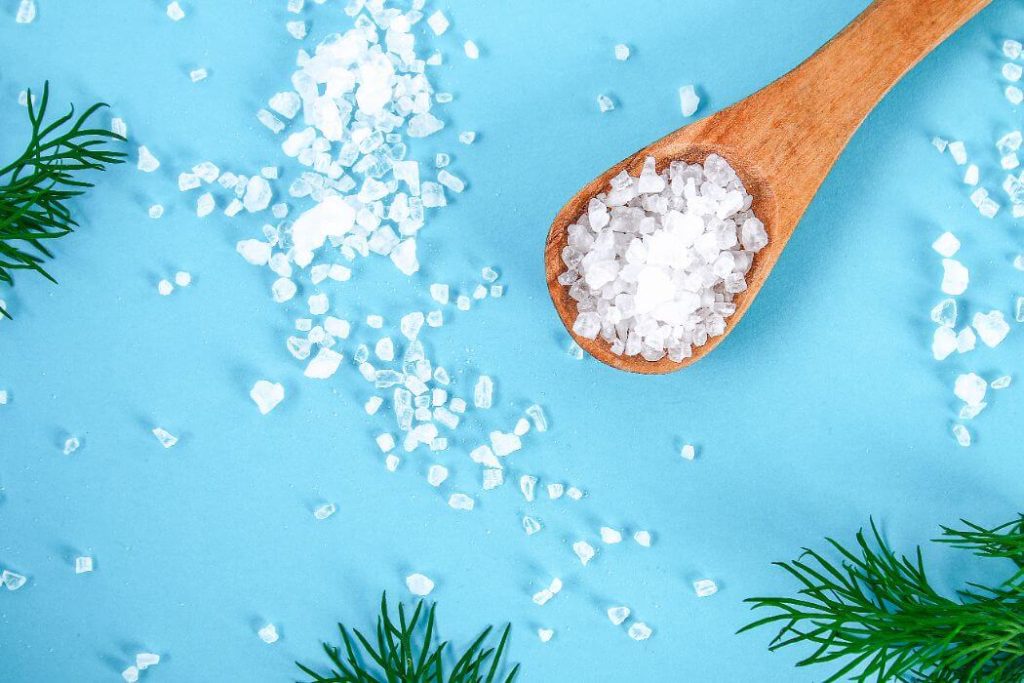
Boulder Salt® looks different from other salts due to the fact that it is made up of a variety of salts, rather than just one type. Both the chemical composition as well as the particle sizes of the various salts used in Boulder Salt® are different. If you looked under a microscope, you’d see that some of the salts look like “boulders”, while others are much smaller.
Boulder Salt® is a blend of naturally occurring salts including sodium, potassium, magnesium, and calcium , which are all critical on a biological level.
The ingredients in Boulder Salt are chosen based on purity, not location. We take 4 different salts and blend them together in a particular ratio to make Boulder Salt. We only use pharmaceutical grade or USP grade salts.
1/4 Teaspoon of “regular salt” weighs 1.5g while 1/4 Teaspoon of Boulder Salt weights 2.0g (more dense). Once this difference in density is taken into account, the 40% difference can be shown. For example: A typical brand of salt shows 585 mg. of sodium in 1/4 tsp. (1.5g).
The sodium in 2.0g is given by 585 x 4/3 = 780mg How much less sodium is in Boulder Salt is given by: 780-480=300 300/780 = .385 or 38.5% less (rounds to 40%)
Boulder Salt has nearly half the sodium of traditional table salt and sea salt. It also has potassium, magnesium and calcium – salts that are all critical on a biological level. (Traditional table salt is 99% sodium). Boulder Salt looks a bit different too, It has a finer texture than most other salts on the market and a more mellow taste.
The precise amount of Boulder Salt® to add to your drink depends on your sweat rate. One quarter teaspoon in a 17-20 oz drink is the recommended starting point.
The material you see that doesn’t dissolve is related the larger particle size of magnesium and calcium. It’s around 4% of the total. These particles do readily dissolve when they are exposed to an acidic environment such as in the stomach. They will dissolve right away if you keep them agitated/stirred up and drink the water with them suspended in it.
Boulder Salt® looks different from other salts due to the fact that it is made up of a variety of salts, rather than just one type. Both the chemical composition as well as the particle size of the various salts used in Boulder Salt® are different. If you looked under a microscope, you’d see that some of the salts look like “boulders”, while others are much smaller.
We do plan to offer our product in the future, with iodine. Our current formulation does not have iodine because it tends to have a metallic taste when added to water. If used simply on foods, it does not have that strong of an aftertaste. The current formula of Boulder Salt® is intended to be used in both water and on food.
Boulder Salt® is available here on our website, on Amazon, and in several states including California, Colorado, Hawaii – Kona, Massachusetts.
We currently ship to Australia, Canada and New Zealand.